

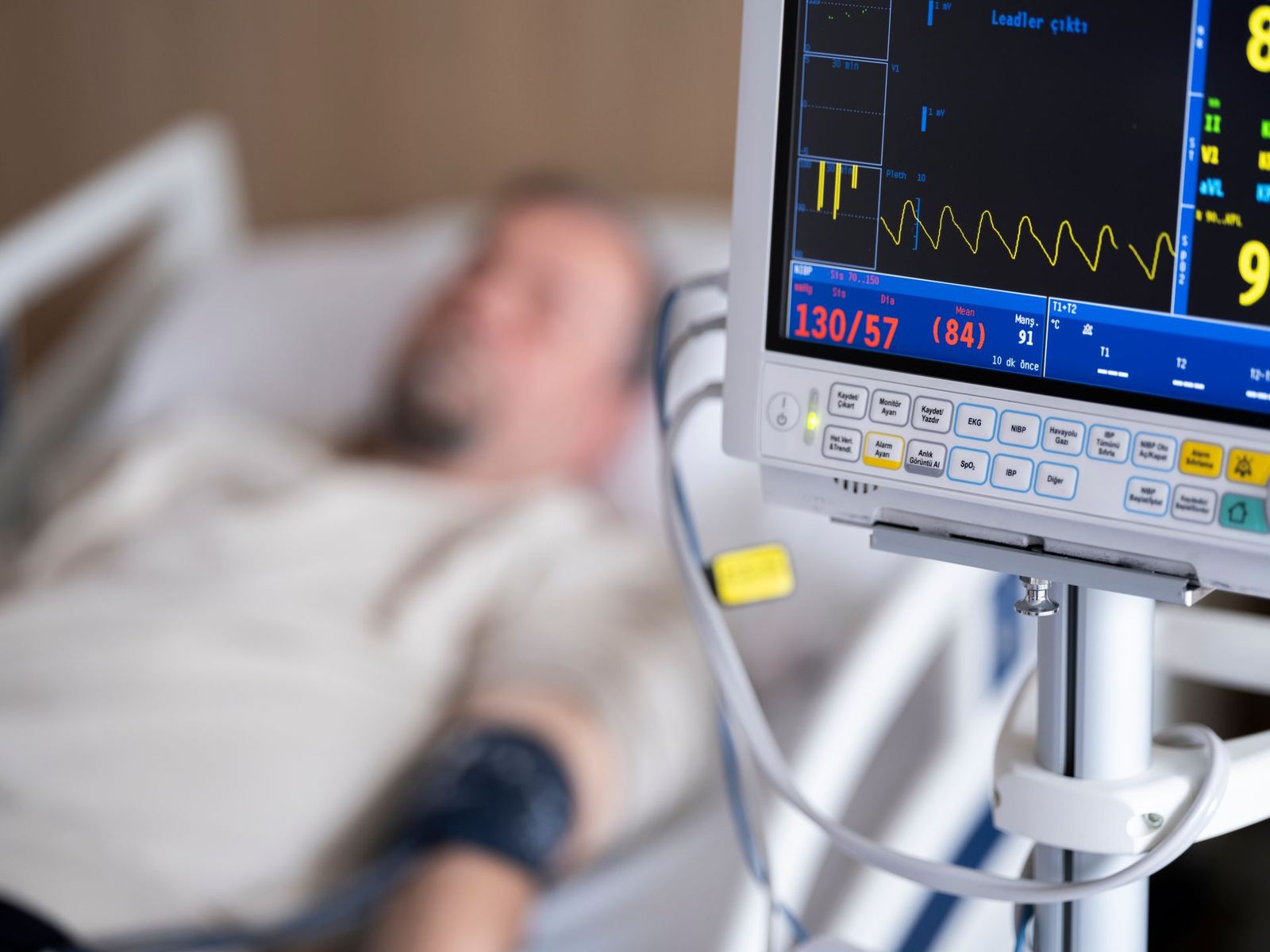
From screen size to alarm management, battery life to central monitoring compatibility: the criteria a bedside monitor specification should contain.
The bedside monitor is the most frequently used device in intensive care and the operating theatre; a wrong choice causes operating problems for years. When drafting a technical specification, be sure to assess the following eight criteria.
1. Patient group and parameter set
Does the device support adult, paediatric and neonatal modes? Are ECG, respiration, SpO₂, NIBP, invasive pressure, temperature and EtCO₂ standard or optional? Ask for the licence cost of options as a separate line in the quotation.
2. Screen and user interface
A touchscreen of 12 inches or larger should be usable with gloves. Waveform colour separation, alarm band visibility and menu depth save time in emergencies.
3. Alarm management
Alarm fatigue is among the main threats to patient safety. Alarm delay filters, parameter-based limits and priority classification should be available, and the alarm history should be retained for at least 24 hours.
4. Battery and transport
For uninterrupted monitoring during patient transfer, ask for at least four hours of battery life, a sturdy handle and a drop-resistant housing.
5. Central monitoring and integration
Compatibility with the existing central station, data transfer to the HIS via HL7 and network security (encrypted communication) must always be queried.
6. Sensor and consumable cost
Even if the device price looks low, the cost of single-use sensors and cuffs makes up most of the total cost. Calculate the five-year total cost of ownership.
7. Service and calibration
Authorised service time, spare parts availability and annual calibration fees should be in the specification.
8. Training and documents
User training, a Turkish manual and UTS registration data should be included in delivery. You can try Hemera Medikal's Pulsera PM-12 free of charge in your own hospital.
Common specification mistakes
Naming a brand or model in the specification, making mandatory dimensions that only one manufacturer can supply, or failing to state critical criteria such as battery life and alarm history are the most common mistakes. When the 'standard parameter set' and 'optional modules' are defined separately instead of a bare parameter count, quotations become comparable.
Verification by demo
During technical evaluation we recommend trying at least two devices in your own patient environment with the same scenario. Subjective criteria such as alarm tone, screen legibility, ease of attaching sensors and menu speed can only be measured through user experience. At Hemera Medikal we run these demos free of charge and report the results with a comparison form.
Summary
Monitor selection should not be made on device price alone. When the parameter set, alarm management, integration and five-year total cost are assessed together, the right decision can be made for both patient safety and budget. If you send us your draft specification, we will review it technically free of charge.
Related Posts

Autoclave Care: Periodic Validation and Biological Indicator Tests
What are the daily, weekly and annual checks for steam sterilisers? Bowie-Dick, biological indicators and IQ/OQ/PQ…